Passive Fire Protection

Passive fire protection is built into the structure to provide stability to walls and floors, separating the building into areas of manageable risk, this is known as compartmentation – dividing buildings into manageable spaces to limit the spread of flames and smoke. It also includes reinforcing load-bearing structural elements, such as columns and beams, so they can withstand fire damage for an extended period allowing the building to be safely evacuated.


Passive Fire Protection

What are Examples of Passive Fire Protection?

Compartmentation

Compartmentation aims to contain fire and smoke to a specific area of a building to protect the building’s structural integrity. A compartmentation system can take on a variety of forms, such as barriers and partitions to contain fire and smoke. These barriers and partitions will often be made using specific fire-resistant materials.

Fire Doors

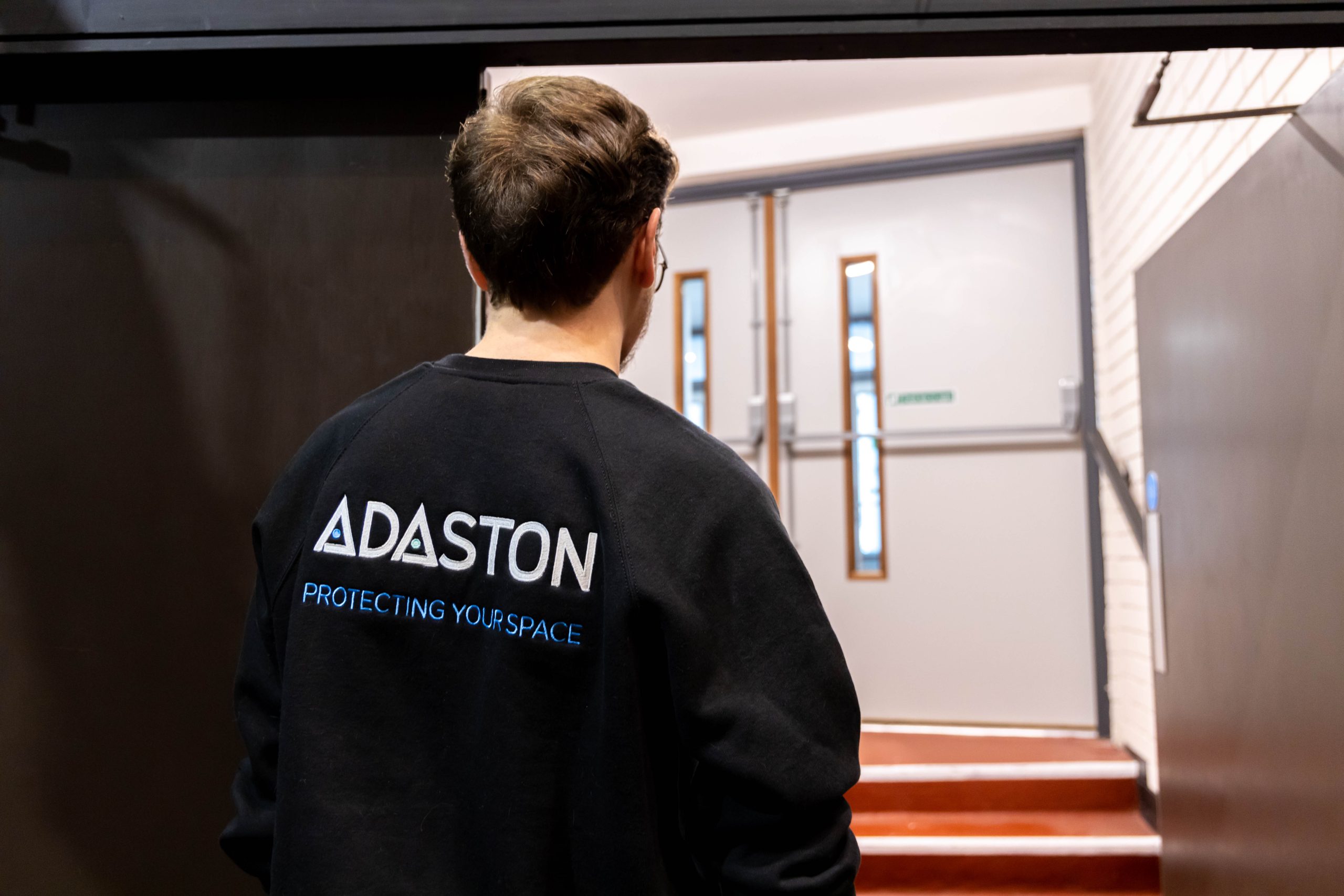
Fire doors and their installation are a fundamental part of a passive fire protection system. They are designed to stop the spread of smoke and fire between fire compartments. If fire doors are not maintained properly or replaced at the end of their useful life this could cause a breach to the fire compartment. At Adaston we are certified for both the installation and maintenance of fire doors under our 3rd party accreditation scheme.

Contact Us
Passive Fire Protection

Fire Stopping and Penetration Sealing

At Adaston, we inspect buildings to see if they adhere to rigorous fire safety standards for passive fire protection, working with attention to detail and expert knowledge of product installation requirements and building regulations. Additionally, we also take into account acoustic ratings and thermal properties, meaning our clients know that not only are they implementing effective fire protection solutions but also the correct installation of key structural features.

Specialist contractors will create penetrations in walls, floors and ceiling voids when making their installations, which often involves the passage of cables, pipes and ventilation ducts through compartment walls or floors. Any openings and service penetrations need to be sealed using an approved and tested fire stopping system. Our passive fire protection team at Adaston installs 3rd party accredited fire stopping solutions to prevent the spread of fire and cold smoke to ensure the safety of those living and working within the building.

We engage clients early in the project to help us provide for their unique needs to deliver market-leading passive fire protection systems. For any enquiries, please call 01423 700996 or email us at: enquires@adaston.com.

Our Process

Steps line
01

02

03